


USCIS Now Requires the 09/18/26 Form I-485 as Public Charge Rule Takes Effect
Since September 18, 2026, USCIS accepts only the 09/18/26 edition of Form I-485, with no grace period. The older 01/20/25 and 09/04/26 editions are rejected, and new green card filings are reviewed under the final public charge rule effective the same day.
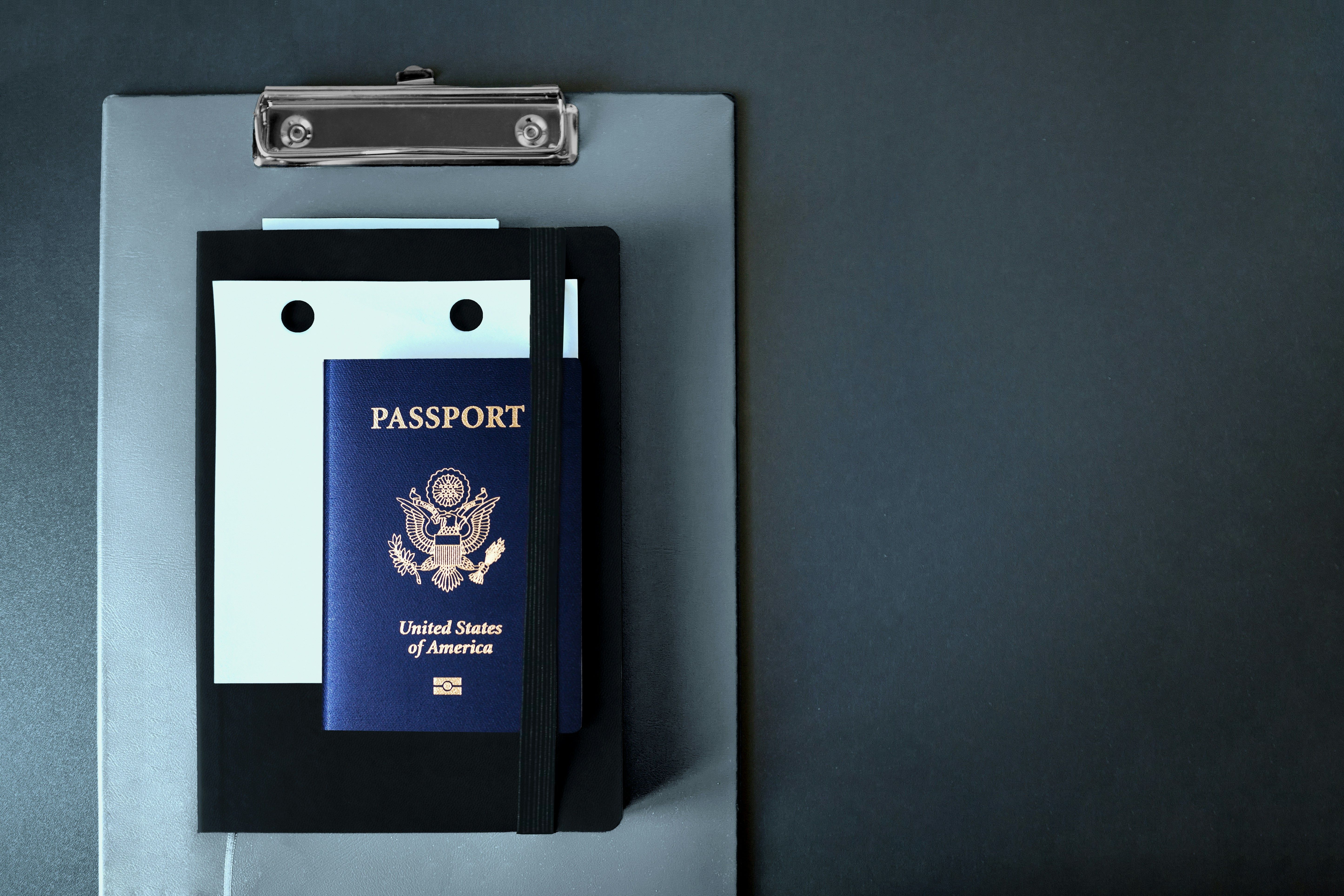
From September 18, 2026, USCIS accepts only the 09/18/26 edition of Form I-485. New green card filings fall under a final public charge rule that took effect that day.
The update arrives at a critical moment for high-skilled immigrants: as the federal government enters Fiscal Year 2027 (FY2027) on October 1, thousands of applicants in employment-based categories—including EB-1A, EB-1B, and EB-2 NIW—are preparing to file under newly available visa numbers and possible forward movement in the Visa Bulletin.
U.S. Citizenship and Immigration Services has published the 09/18/26 edition of Form I-485, Application to Register Permanent Residence or Adjust Status. No grace period applies: USCIS rejects the 01/20/25 and 09/04/26 editions for any form postmarked or submitted electronically on or after September 18, 2026.
A final DHS rule rescinds the 2022 public charge regulations, effective September 18, 2026. USCIS published the new form that date. Anyone filing Form I-485 now must use the 09/18/26 edition, including EB-1, EB-2, and NIW applicants adjusting status in the United States.
U.S. fiscal year 2027 begins October 1, 2026, when annual immigrant visa limits reset. That reset alone does not make anyone eligible to file Form I-485; a visa must generally still be immediately available. The October 2026 Visa Bulletin has not been published.
Which Form I-485 edition does USCIS accept now?
The Form I-485 page's live edition, last updated September 18, 2026, is 09/18/26. An August 19, 2026 alert previewed the 01/20/25 cutoff, and the page also rejects the later 09/04/26 edition.
The Form I-485 page sets these cutoffs:
| Edition | When USCIS will accept it |
| 01/20/25 or 09/04/26 | Only if postmarked or submitted electronically before September 18, 2026 |
| 09/18/26 | Only if postmarked or submitted electronically on or after September 18, 2026 |
Check the edition date at the bottom of every page; USCIS may reject a form whose pages come from different editions.
A visa must generally be immediately available before filing. See Liu & Associates, P.C.’s I-485 filing eligibility chart for EB-1A, EB-1B, and NIW dates.
What does this mean for EB-1 and NIW applicants?
The final rule covers I-485 applications postmarked or submitted electronically on or after September 18, 2026. Per Policy Alert PA-2026-09, filings postmarked or submitted from December 23, 2022, through before September 18, 2026, are adjudicated under the 2022 regulations.
USCIS says officers must weigh five statutory factors: age; health; family status; assets, resources, and financial status; and education and skills. Other relevant factors may also count, including means-tested benefits such as cash assistance, housing assistance, food stamps, or financial aid for college.
For benefits received before September 18, 2026, USCIS considers only cash assistance for income maintenance and long-term institutionalization at government expense. For benefits received on or after that date, it says it will consider any and all means-tested public benefits. Decisions turn on the totality of the circumstances.
USCIS lists priority workers, professionals with advanced degrees, and aliens of exceptional ability as subject to public charge review unless an exemption applies; the employment-based second preference group includes national interest waivers. Approval of Form I-140 alone does not make a person eligible to file, and a visa must generally still be immediately available. See Liu & Associates, P.C.’s NIW FAQ on timing.
Applicants preparing an EB-1A or NIW I-140, or holding an approved petition and a current date, may request a free case evaluation from Liu & Associates, P.C. (Liu & Associates, P.C.).